
Routines That Teach Toddlers to Manage Themselves
Toddler childcare in Beaverton for children transitioning from home-based care into a structured group setting
The first move from a home environment into a group classroom is one of the more demanding transitions a toddler goes through, and how a center handles that shift matters more than most families expect when they are choosing between programs. Ohana Learning Days in Beaverton accepts toddlers as young as one and a half and builds the day around play-based learning that lets each child's interests set the pace while consistent routines give the day its shape. The owner, who has worked in early childhood education since 2000 and holds a degree in education, designed the toddler program around the idea that children this age are more capable than they are usually credited for.
Toddlers at Ohana Learning Days take part in the actual cleanup and transition routines rather than waiting for adults to manage those steps for them. After meals, children sort food scraps into one bucket and carry dirty dishes to another, which is a specific, practiced sequence rather than a general expectation to tidy up. Managing their own belongings, putting away materials after play, and moving between activities with guidance rather than direction are built into every part of the day. These self-help routines prepare children for the expectations they will encounter as they move into preschool, and families in Murrayhill and Cedar Hills who are leaving home-based care for the first time often see a marked shift in how their child approaches daily tasks at home within the first month.
To ask how the classroom handles nap transitions and whether the center can accommodate siblings at different age levels, set up a tour at Ohana Learning Days before the enrollment date.
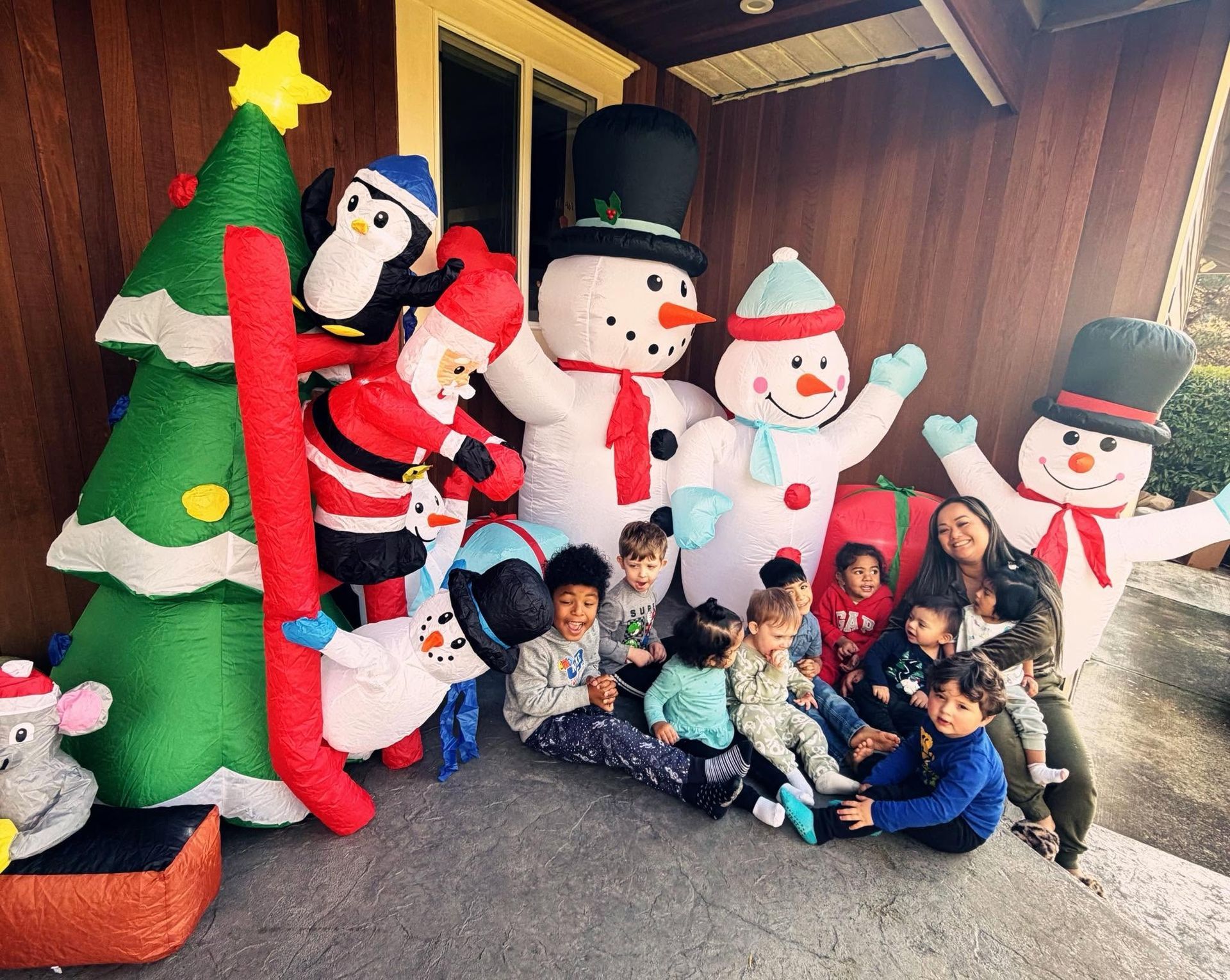
What the Toddler Program Actually Involves
Play-based learning in a toddler room is not free time with occasional adult supervision. At Ohana Learning Days, it means that the activities a child gravitates toward become the starting point for building vocabulary, fine motor practice, and social awareness, with teachers observing closely enough to know which materials hold a particular child's attention and which transitions are likely to be difficult. Children are guided through self-help steps at a pace that matches their current ability, which means a child who is still learning to carry their own plate is not rushed past that step before it is automatic.
Parents who have enrolled toddlers at this stage often notice that their child begins initiating cleanup at home without being prompted, which is a direct result of those routines being practiced consistently throughout the center's day. The visible change is not just behavioral; the child's confidence in managing their own space tends to show in how they approach new situations. Ohana Learning Days structures these routines so they feel like a normal part of the day rather than a lesson, which is what makes them stick across different settings.
The toddler program is licensed and certified through the State of Oregon, and the center's approach to classroom structure reflects the owner's background in early childhood development rather than a commercially packaged curriculum. Families considering enrollment should ask specifically about how the classroom handles nap schedules as toddlers approach the age when afternoon rest becomes shorter and more variable, since that transition affects the whole group rhythm.
What Parents Ask About the Toddler Program
The questions below address how toddler care at Ohana Learning Days is structured, what children practice during the day, and what families can observe to know the program is working for their child.
What self-help skills does the toddler program focus on building?
Children practice sorting food scraps, returning dirty dishes, putting away play materials, and managing their own belongings as regular parts of the daily routine rather than as isolated lessons.
How does the center handle a toddler who resists transitions between activities?
Teachers guide children through transitions using consistent verbal cues and predictable sequencing rather than abrupt changes, which helps children who struggle with shifts between activities build tolerance for those moments over time.
How does play-based learning work in a group setting with toddlers at different developmental stages?
Activities are set up so that a child working on beginning puzzles and a child building more complex structures can both engage meaningfully with the same materials, with teachers adjusting their interaction based on where each child is rather than where the group average falls.
What happens when a toddler is still adjusting to nap schedules that differ from home?
The center tracks each child's rest needs and works with the classroom rhythm to accommodate toddlers who are transitioning away from longer naps, rather than holding all children to one fixed rest period.
How can a family tell the program is having an effect outside the classroom?
Children who have been practicing self-help routines at the center typically begin initiating those same steps at home, such as putting their shoes in a consistent spot or following a cleanup sequence without reminders, which is a concrete indicator the routines have become internalized.
Ohana Learning Days also provides toddler childcare in Hillsboro, Lake Oswego, Portland, Sherwood, and Tigard. If your child is approaching eighteen months and you want to understand how the program manages that first classroom transition, Ohana Learning Days is available to walk through the daily structure and answer questions specific to your child's current routines.